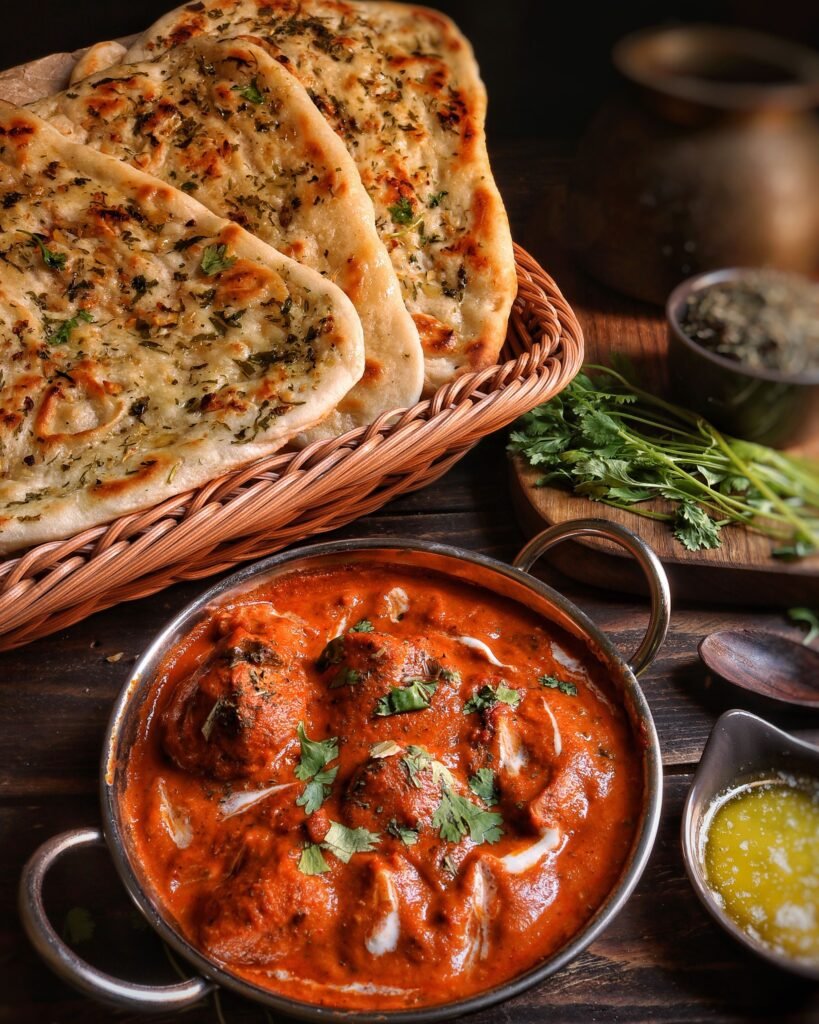
Indian cuisine is celebrated worldwide for its sophisticated use of spices, vibrant colors, and deep regional diversity. Rather than being a single culinary style, it is a tapestry of distinct regional traditions shaped by local climates, cultures, and religions.Key Pillars of Indian FoodThe Art of Spicing: Spices are rarely used just for heat; they are layered to build depth and aroma. Essential spices include turmeric, cumin, coriander, mustard seeds, cardamom, cloves, and fenugreek. They are often toasted in oil or ghee (clarified butter) at the start of cooking—a technique known as tadka or tempering—to release their essential oils.Balance of Flavors: Authentic dishes aim to balance six primary tastes (shat rasa): sweet, sour, salty, bitter, pungent, and astringent.Diverse Staples: Rice is the core staple in the South and East, while wheat-based flatbreads (like roti, naan, paratha, and chapati) dominate the North. Lentils and pulses (dal) are universal staples across the entire subcontinent.Regional VariationsNorth India: Known for rich, creamy gravies often featuring dairy like cream, yogurt, paneer (cottage cheese), and ghee. Iconic dishes include Butter Chicken, Rogan Josh, and various stuffed flatbreads. Tandoori cooking (using a clay oven) is highly prominent here.South India: Heavily influenced by coastal geography and a tropical climate. Dishes frequently utilize coconut, tamarind, and curry leaves. It is famous for fermented rice and lentil batters used to make crispy dosas, fluffy idlis, and tangy rice dishes like lemon or tamarind rice, typically served with sambar (a vegetable lentil stew).East and Northeast India: Renowned for subtle but distinct flavors. West Bengal is famous for its fish dishes (like Machher Jhol) and mustard-based gravies, as well as iconic milk-based sweets like Rasgulla. The Northeast features lighter, often boiled or steamed dishes utilizing bamboo shoots, local herbs, and unique chili peppers.West India: Features a massive contrast between the strictly vegetarian, slightly sweet cuisine of Gujarat and the fiery, coconut- and vinegar-infused coastal seafood dishes of Goa and Maharashtra (such as Vindaloo and Malvani fish curry).Vegetarianism and CultureType your paragraph here
This is a titleThe Ultimate Biryani Breakdown
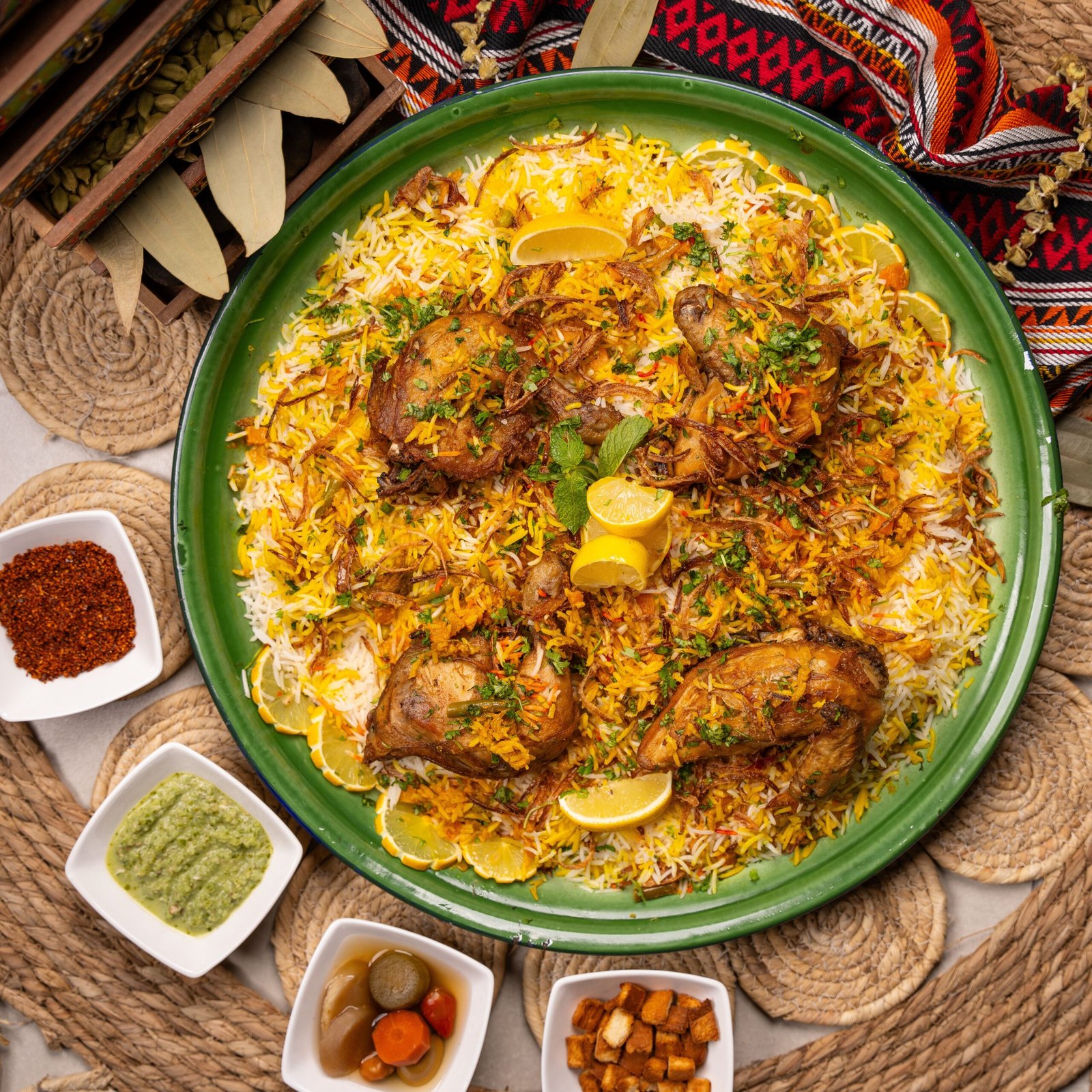
The Art of the Dum: A Journey Through BiryaniBiryani is far more than a rice dish; it is a masterclass in culinary patience and aromatic layering. Originating from the royal courts of the Mughal Empire and evolving into dozens of distinct regional variations across India, a true biryani is defined by the technique of dum pukht—slow-cooking ingredients in a sealed pot over a low flame.This process traps the steam, forcing the meat, baseline spices, and long-grain basmati rice to infuse into one another without losing their individual textures. Every layer tells a story: the bottom layer develops a rich, savory intensity, the middle absorbs the juices of the marinated meat, and the top remains airy, fragrant, and heavily scented with saffron, ghee, and caramelized onions (biryan). From the intense spice of a Hyderabadi Dum Biryani to the subtle, potato-infused elegance of a Kolkata style, this project explores the geometry, history, and sensory explosion of India’s most iconic celebratory meal.Type your paragraph here
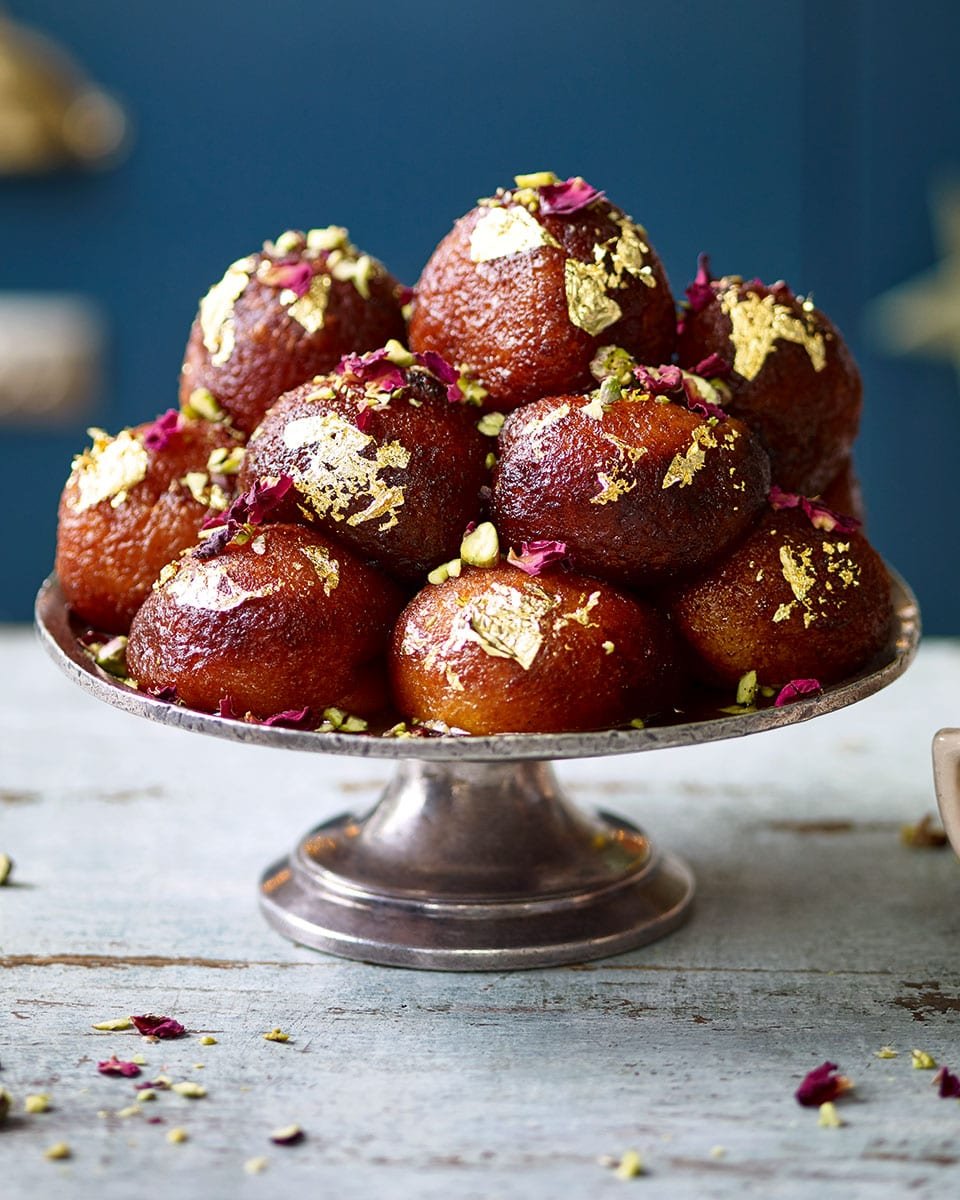
The Sweet Alchemist: The World of Indian MithaiThis is a title
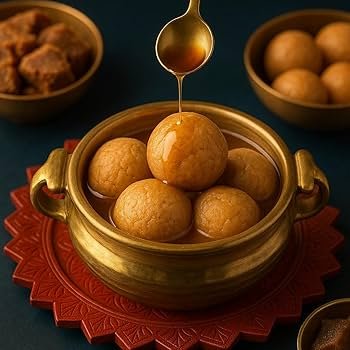
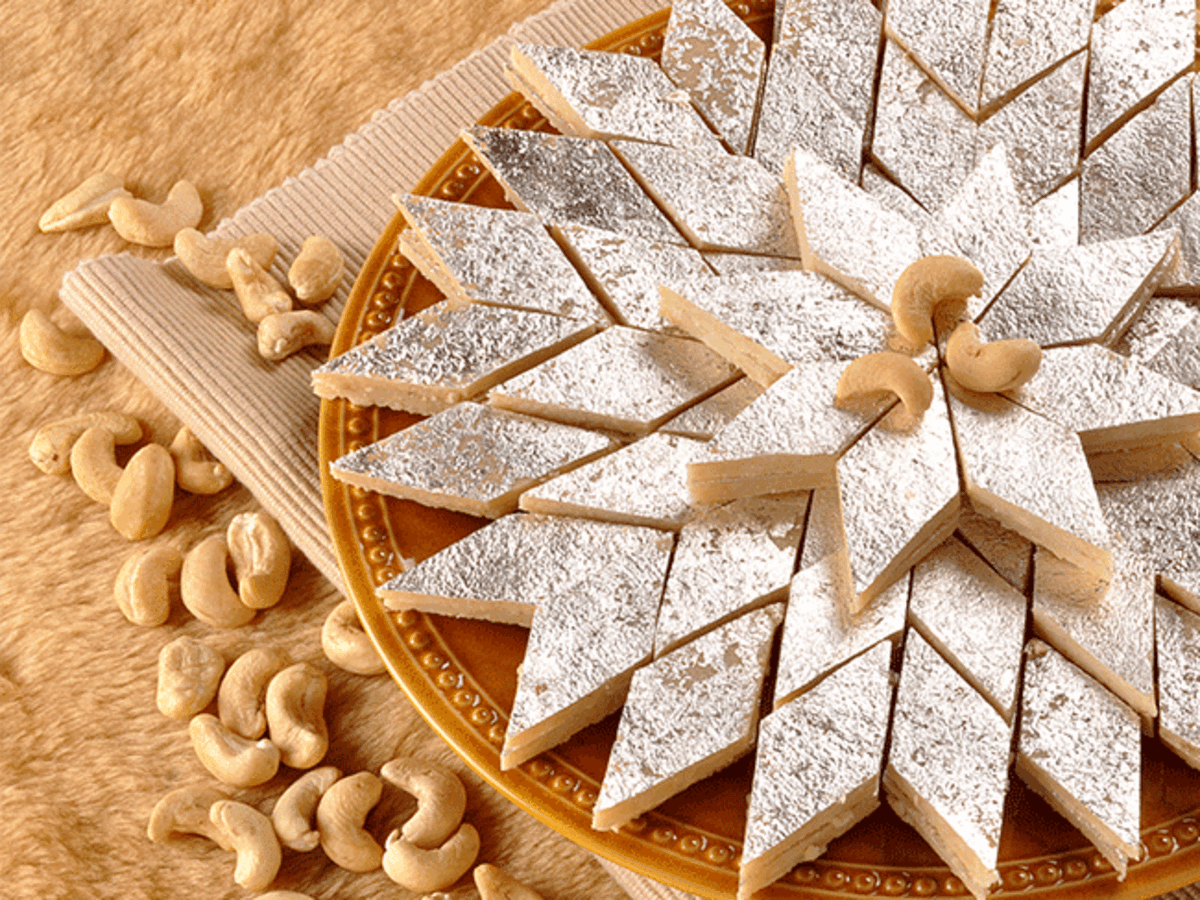
In Indian culinary tradition, sweets are not merely a concluding course; they are sacred offerings, symbols of celebration, and a profound art form. Central to the world of mithai is the manipulation of dairy, sugar, and aromatics into textures ranging from dense and fudgy to airy and syrup-soaked.The foundation of many classic sweets is khoya (milk solids slowly reduced over hours until rich and caramelized) or fresh chenna (paneer curd), which forms the base of delicate, spongy Bengali delicacies like Rasgulla and Sandesh. Other iconic treats, like Kaju Katli or Gulab Jamun, rely on the precise crystallization of sugar syrups infused with saffron threads, green cardamom, and rosewater, then meticulously finished with edible silver leaf (vark). Whether it is the slow-roasted, nutty warmth of a seasonal halwa or the intricate, crispy spirals of a syrup-laden Jalebi, Indian sweets balance intense richness with floral undertones, offering a sensory finale that is as culturally significant as it is indulgent.Type your paragraph here
Type your paragraph here
Food quality refers to the total characteristics and attributes of a food item that make it safe, nutritious, and acceptable to consumers. In the culinary industry, it is broadly evaluated through four main pillars:1. Sensory Properties (Organoleptic)This is what a consumer immediately experiences through their senses:Appearance: Color, vibrancy, shape, size, gloss, and structural consistency (e.g., a bright green vegetable or perfectly layered cake).Texture & Mouthfeel: Firmness, crispiness, tenderness, or smoothness (e.g., crunchy potato chips versus creamy yogurt).Flavor & Aroma: The complex combination of smell and the core balance of primary tastes (sweet, sour, salty, bitter, and savory).2. Hygienic & Sanitary SafetyA food item cannot be considered high quality if it poses a health risk. This is strictly monitored through:Microbiological Standards: Absolute absence or safe regulatory limits of harmful pathogens, bacteria (like Salmonella or E. coli), molds, and toxins.Contaminant Control: Freedom from physical hazards (glass, plastic, metal shards) and chemical hazards (pesticide residues, industrial pollutants, or heavy metals).Shelf-life & Freshness: Staying within safe consumption expiration dates without degradation or spoilage.3. Nutritional ValueThe chemical composition and dietary benefit of the food:Appropriate levels of proteins, healthy fats, carbohydrates, vitamins, and minerals.The absence of undeclared allergens or dangerous levels of anti-nutritional factors.The integrity of ingredients (e.g., minimizing ultra-processed fillers).Type your paragraph here4. Process & Ethical IntegrityModern standards increasingly weigh how food is created as a metric of its overall quality:Traceability: Clear labeling of origins and handling history.Production Methods: Organic certifications, sustainable farming practices, animal welfare standards, and environmental eco-friendliness.